Field notes: the week we surveyed the runway without taking it out of service
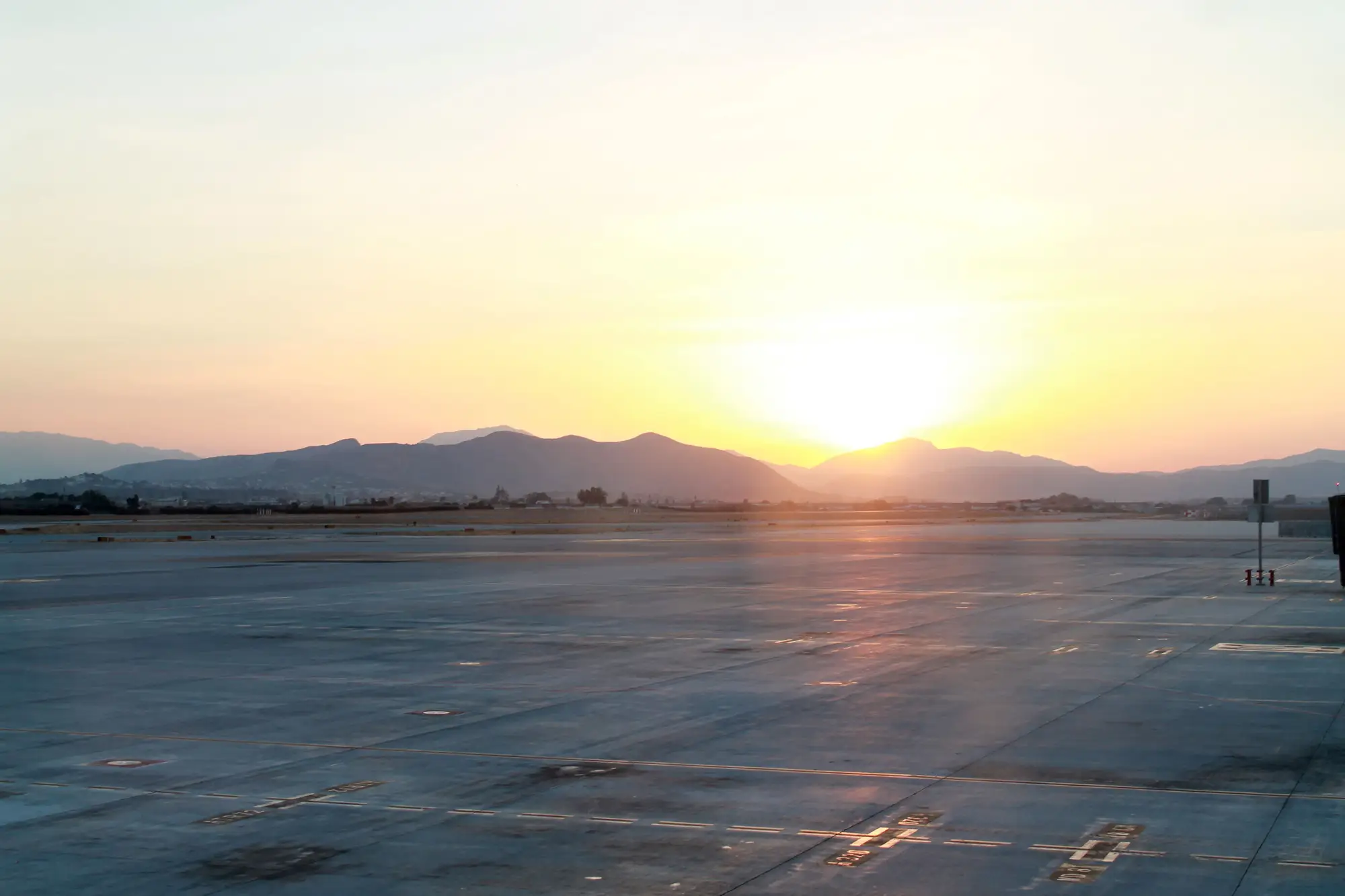
Every pavement engineer who has run a closure-window survey has the same story, just with different weather. Ours involves a 0200 start, a FOD walk that turned up a dead gull on Taxiway Bravo, and a joint seal crew standing around with nothing to do for forty minutes because the survey team found a spall pattern nobody had flagged the year before.
That's the ritual. You negotiate the window with ops months out. You get the NOTAM filed, you brief ground crew, you walk the slab in a line with crack maps and a tablet, and you hope nothing on the schedule bumps you past first light. Do it right and you get a clean read on joint distress and surface condition. Do it on a bad night and you get half the runway documented and a promise to come back next quarter, which rarely happens because the next window is eleven months out.
This year we got the read without taking the runway out of service at all.
The ask had been sitting in an email thread for a while: could we get a usable condition read without asking ops for another 0200 to 0500 block. The honest answer, for years, was no. A walking survey needs feet on the slab. You can't eyeball transverse cracking from a truck doing taxiway inspections at thirty knots, and nobody trusts a drone pass over a runway for an annual record, not with the airspace coordination that takes.
What changed was the ground sample distance. At 0.3 meters or finer, a satellite or aerial pass actually resolves joint-level distress, the kind of hairline separation and spalling that used to require someone standing over it with a straightedge. That's a different proposition than the old wide-area imagery everyone's seen and correctly ignored for pavement work. It's fine enough to tell a sealed joint from a failing one, and it comes in as a flat RGB pass you can run on a schedule, not a window you have to beg for.
So we ran it. No closure, no NOTAM, no ground crew standing by. The pass went over on the normal annual cadence, same as if we'd scheduled the walking survey, except operations never knew the airfield was being surveyed at all. Scheduled departures ran on time. Nobody got bumped off the runway for an inspection that, from the tower's point of view, didn't happen.
What came back wasn't a replacement for every closure-window survey forever, and it would be dishonest to pretend otherwise. There are things a technician standing on the slab still catches that an overhead pass won't: a hollow sound under a patch, the give in a joint that looks fine from above, the kind of subsurface tell that needs a hammer, not a sensor. What the pass does well is the thing most operators struggle to get done consistently, which is the annual condition map across the whole movement area, done on schedule, without it competing for a slot against every other maintenance window on the field.
What stuck with me was watching the ops supervisor who'd fought us on every closure request for three years read through the output and ask when the next one was due, like it was a normal thing to expect now instead of a negotiation.
If your annual pavement read keeps losing to the closure-window fight, Pavement Survey is built around exactly that trade: the same joint-level condition map, run on cadence, without putting the runway down to get it.
Worth a look before you book next year's window.