Blog
 Scheduling a pavement condition survey around airport curfew hours
How noise curfews squeeze walking-survey windows for runway and taxiway inspections, and what that does to your maintenance calendar.
 What is a movement area, and why closing one costs more than the survey
A movement area closure for a pavement survey routs traffic, cuts arrival rates, and slows yard moves. Here's why the closure costs more than the inspection.
 Phasing container yard resurfacing without taking berths out of service
How terminal operators sequence pavement resurfacing by block and shift so berths, RTG lanes and vessel calls keep running.
 VHR satellite vs aerial imagery for airfield pavement surveys
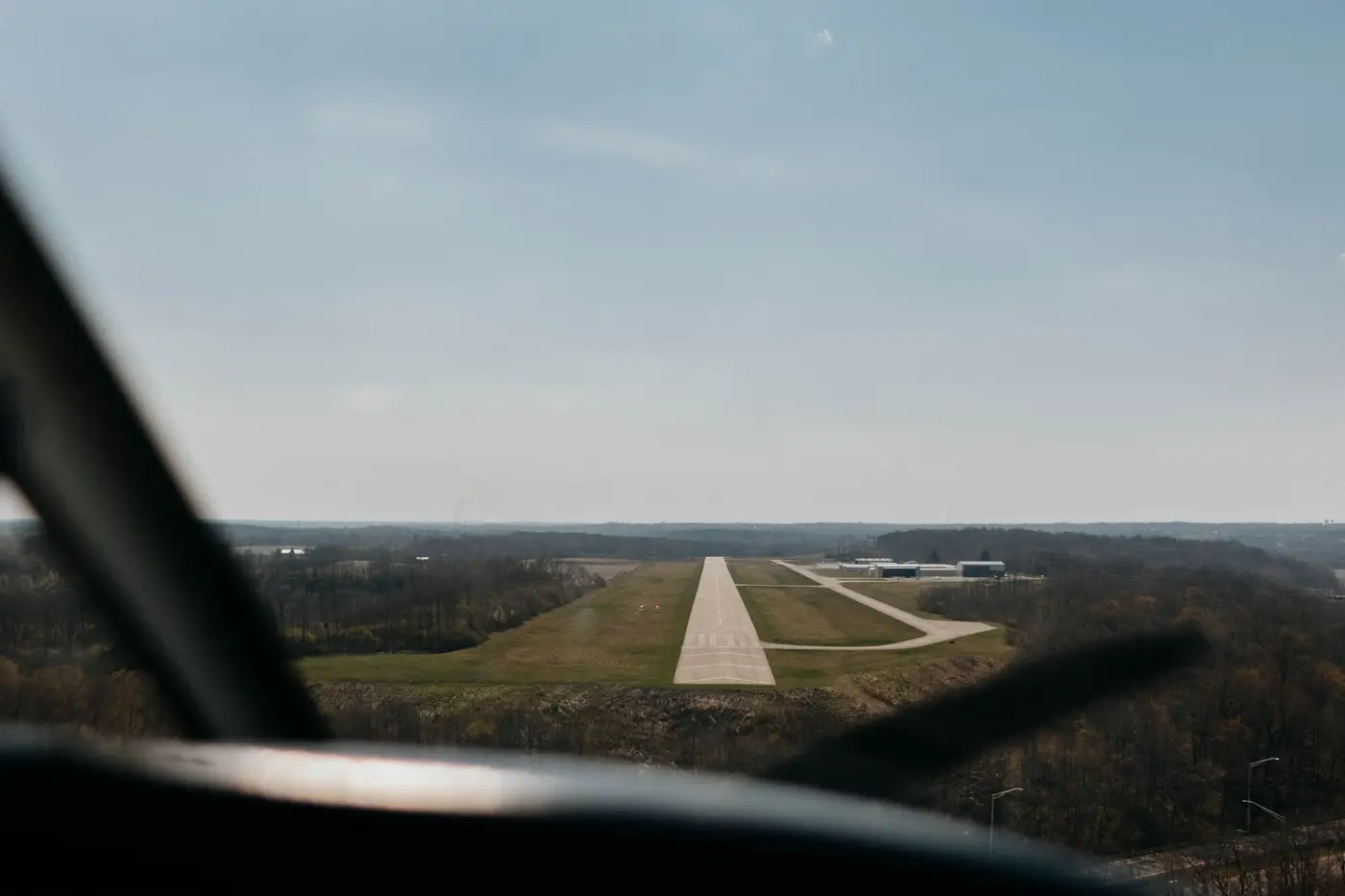
Satellite or aircraft for your runway pavement read? What 0.3 m imagery resolves, where each falls short, and how it fits a closure-limited schedule.
 Apron vs. runway pavement surveys: what differs and why
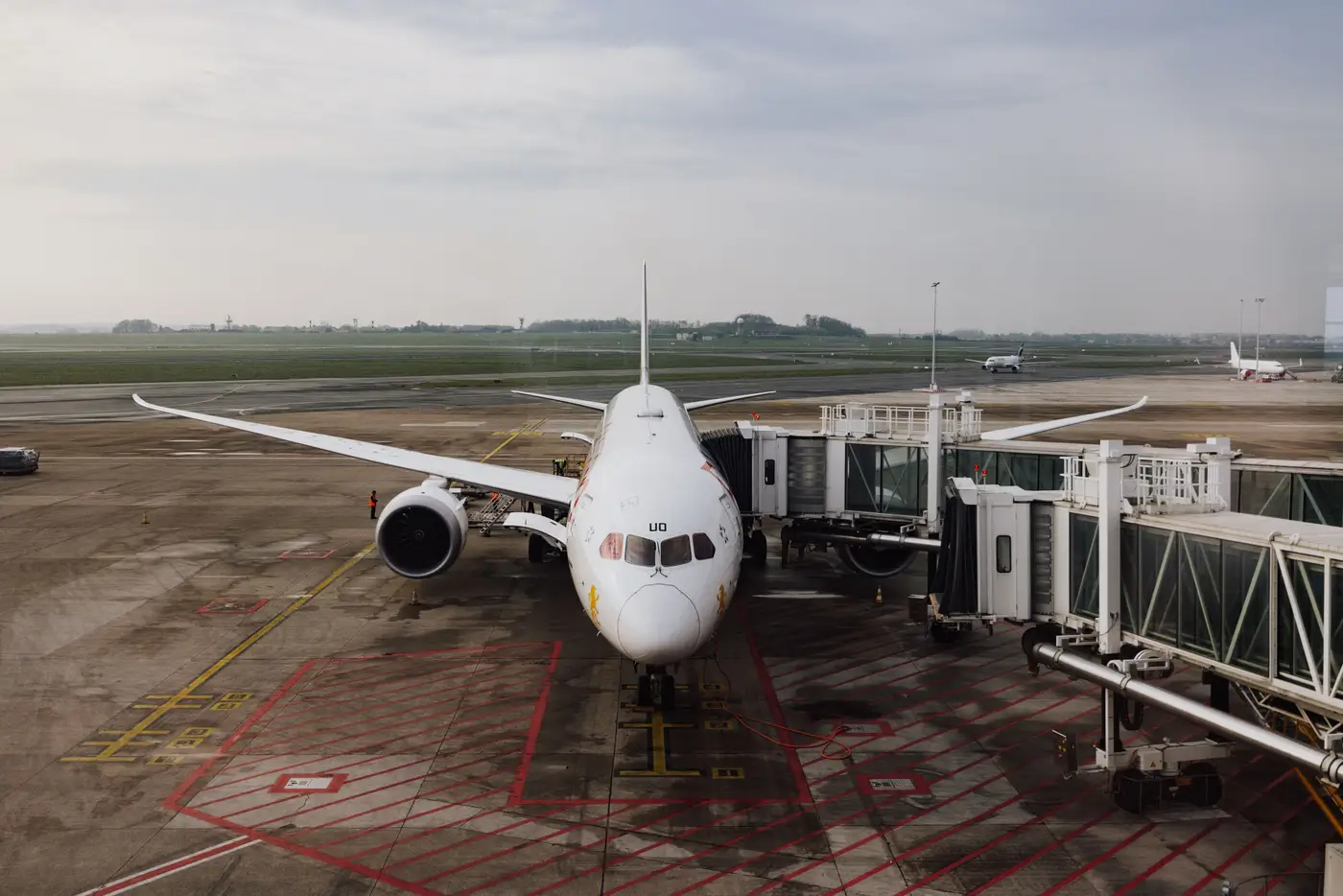
How an apron pavement condition survey differs from a runway survey, and why terminal yard distress is harder to schedule a walking crew for.
 Field notes: what a worn centerline told us before the cracks showed up
A field note on reading faded taxiway centerline paint as an early distress signal, before alligator cracking or rutting ever reaches the surface.
- Stretching your pavement management plan update cycle with annual imagery
How airports use annual overhead imagery to justify a longer PCI update interval under AC 150/5380-7 without skipping a cycle blind.
- How to read a PCN rating against aircraft weight restrictions
How to read a PCN code, compare ACN against it, and understand why the rating depends on pavement condition staying current.
- FOD check vs. pavement condition survey: what's the difference?
A daily FOD walk and an annual pavement condition survey catch different problems on different schedules. Here's how airfield ops tell them apart.
- Field notes: the week we surveyed the runway without taking it out of service
A field-notes look at running the annual pavement condition read over a live runway instead of fighting for a closure window.
- How often should you resurvey container yard pavement?
How often a container terminal should resurvey yard pavement, and why the interval usually slips in practice.
- Scheduling apron resurfacing around gate turnaround times
How to fit apron resurfacing into a live gate occupancy schedule without grounding stands or blowing your maintenance window.
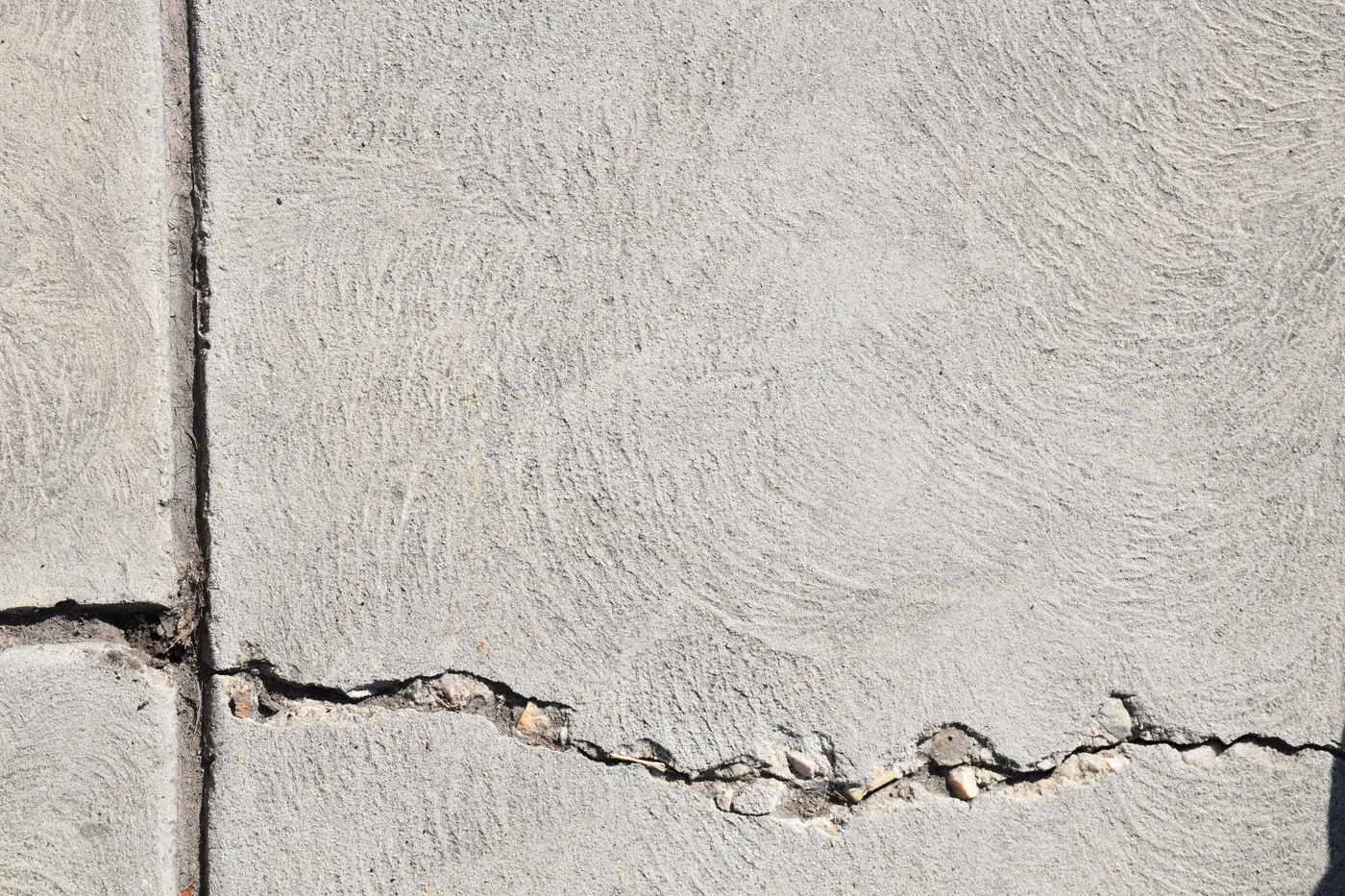 What is slab faulting, and why it drives taxiway rehab scheduling
Slab faulting at joints and cracks is a leading indicator for concrete taxiway rehab. Here's how it forms, how it's read, and why timing matters.
- Prioritizing taxiway crack sealing in a pavement management plan
How to rank taxiway crack sealing by distress type and rate of change when building next season's pavement management priorities.
- What is rubber deposit buildup, and why does it matter for runway friction?
Rubber deposit buildup in the touchdown zone changes how your runway drains and grips. Here's what it is and when it gets scheduled for removal.
- Scheduling a pavement survey around NOTAM closure windows
How ops teams fit a pavement condition survey around tight NOTAM closure windows, and why an overhead read sidesteps the scheduling fight.
- Joint spalling vs. slab cracking: reading PCC taxiway distress in a photo
How to separate joint spalling from slab cracking in PCC taxiway imagery, and why pavement engineers mix the two up at low resolution.
- Walking survey vs. overhead pavement read for a movement area
Walking survey vs. overhead pavement read for a movement area: what each method actually covers, and when a closure-free annual pass fits.
- What is a PCI rating in airfield pavement management?
PCI, ASTM D5340 sampling, and PAVER explained for airfield pavement managers, plus where annual distress reads fit between full survey cycles.