Phasing container yard resurfacing without taking berths out of service
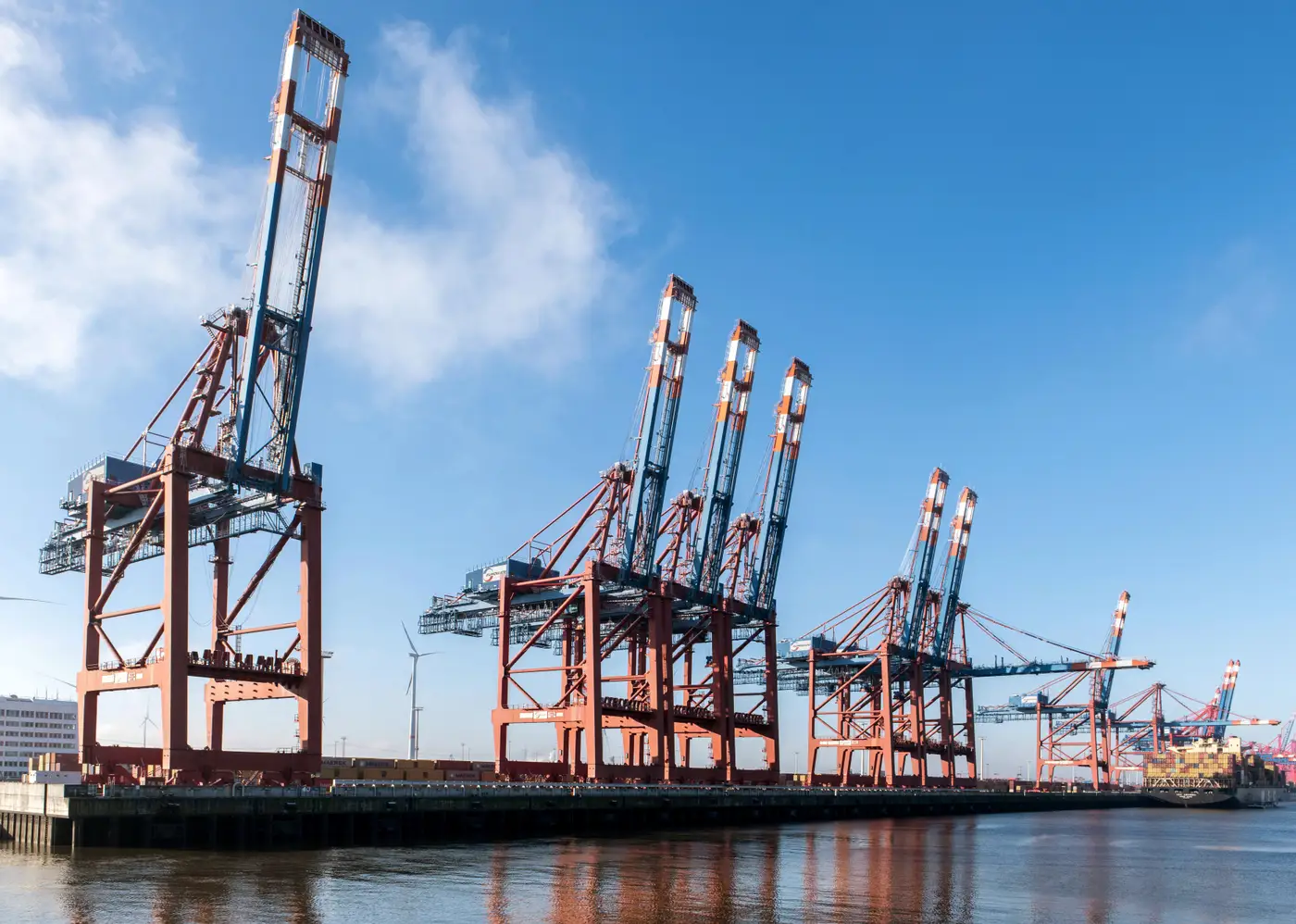
A full shutdown works fine in a parking lot. It doesn't work on a container terminal where a berth sitting idle for a shift is a vessel call slipping and a line of trucks backing up at the gate. Most terminals that have resurfaced a yard block in the last few years didn't close anything for more than a few hours at a time. They phased it.
Why a full closure isn't really on the table
A container yard is a system of overlapping schedules: vessel windows, RTG and RMG travel paths, reefer rack power runs, and the gate's own throughput target. Shut a block for a two-week mill-and-overlay and you're not just losing storage capacity, you're forcing every stack plan around it for the length of the job. Most ops managers won't sign off on that, and most contractors know it before they bid.
So the work gets carved into pieces small enough that a yard can absorb them: a single travel lane, one row of a block between stack moves, a strip along the apron clear of an active ship-to-shore crane that week, a night shift when gate traffic thins out. None of this is exotic. It's how terminal pavement work has been phased for years. Knowing exactly where to start is the hard part.
Sequencing the work: what drives the order
Phasing decisions usually come down to three things: which panels are failing fastest, which blocks can be taken partially out of rotation without choking the yard plan, and what the vessel schedule leaves open. The first one is a pavement condition question. The other two are an ops question. You can't answer the ops question well if the condition picture is stale or spotty.
That's where a lot of phasing plans go sideways. If the last full condition read was done two or three years ago by a crew walking panels with a crack map, the joint spalling and slab cracking that's shown up since then isn't on the plan. Crews end up resequencing mid-job when a block that looked like it could wait turns out to be worse than the block scheduled first. That's expensive to fix once a contractor and a work window are already booked.
A yearly read of the whole terminal, apron to yard blocks, gives the sequencing decision something current to work from. It tells you which blocks are degrading and where, so the phasing plan gets built on this year's pavement instead of a survey that's been sitting in the budget cycle for two years. Pavement Survey is built around exactly that gap: an annual overhead pass over the movement area that maps joint distress and surface degradation at 0.3 m resolution or finer, using VHR satellite or aerial RGB imagery, without needing to close a lane, a block or a berth to get the walking survey done.
What this changes about the resurfacing schedule
With a current read of the whole yard in hand, the phasing conversation starts from "here's what's failing this year" instead of from memory and complaints logged by the yard planners. Blocks that have gone from hairline cracking to active spalling since the last walk-through show up before a contractor shows up to find out the hard way. Blocks that held up fine can get pushed another cycle without anyone guessing.
It also changes how the schedule gets defended internally. When a resurfacing plan is built off a survey that's a year old at most, it's easier to justify why Block 4 is going first and Block 9 can wait, because there's a record behind the call rather than a hunch. None of that replaces the work of phasing the job around vessel windows and crane paths. It just means the pavement data isn't the weak link in that plan anymore.
If your last condition read predates this year's traffic, it's worth getting a current one before the next resurfacing schedule gets locked in.