How to read a PCN rating against aircraft weight restrictions
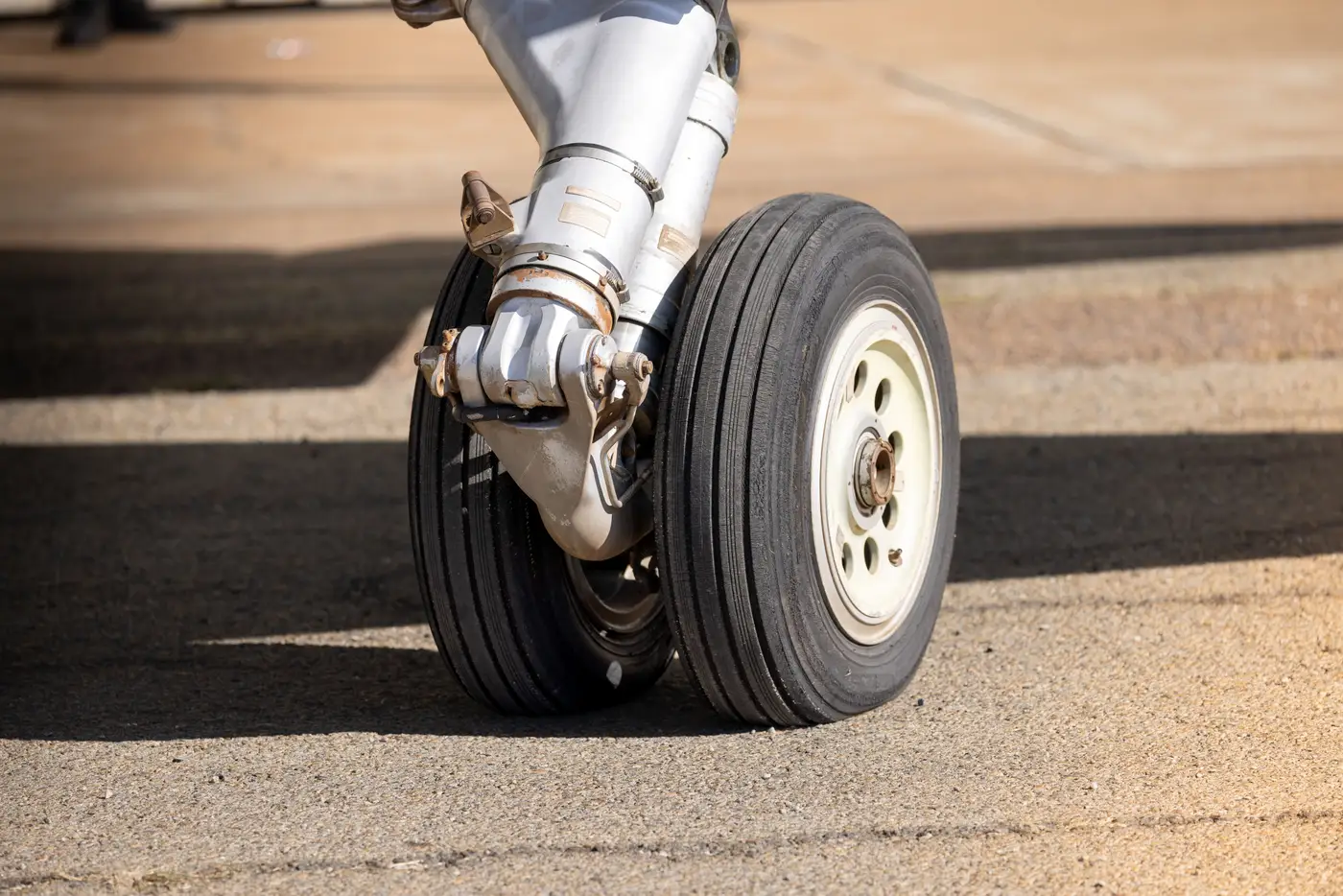
If you've ever pulled an aircraft's weight and balance sheet against the AIP entry for a runway and come up with more questions than answers, you're not alone. The Pavement Classification Number system was built so a dispatcher in one country could compare an airplane to a runway on the other side of the world without a phone call to the pavement engineer. It works, but only if you know what each piece of the code is measuring.
What the PCN code tells you
A published PCN looks something like this: 52/F/B/W/T. Five pieces, each doing a different job.
The number (52 in that example) is the pavement's bearing strength expressed on a standard scale, not a weight limit by itself. The letter after it tells you the pavement type: R for rigid (concrete), F for flexible (asphalt). The next letter is subgrade strength category, A through D, from high to low. Then comes tire pressure category, W through X through Y to Z, from unlimited down to very low. Last is the evaluation method: T for technical evaluation, meaning someone ran the numbers on the actual pavement structure, or U for using aircraft experience, meaning the number comes from watching what's already operated there without distress.
None of that tells you a maximum gross weight on its own. PCN is a comparison tool, not a weight chart.
Comparing ACN to PCN without guessing
Every aircraft type has an Aircraft Classification Number for a given pavement type, subgrade, and weight, published in the flight manual or by the manufacturer. ACN goes up as weight goes up and down as weight comes off, the way you'd expect. The rule that operators actually use day to day: if the aircraft's ACN is equal to or less than the runway's published PCN, the aircraft can operate on that pavement without a special study, subject to the tire pressure code lining up too. ACN above PCN simply means someone needs to run an overload evaluation. Most pavement design manuals set out how much overload the pavement will tolerate, and how often, before an exceedance starts showing up as accelerated deterioration instead of a one-off event.
The piece operators skip most often is subgrade category and tire pressure. Two runways can carry the identical PCN number and still behave completely differently under the same aircraft, because one sits on category B subgrade and the other on category D, or because one caps tire pressure at W and the other at Y. Matching the number without matching the letters is how you end up with an aircraft technically "cleared" on paper and a pavement engineer unhappy about it in practice.
Why the rating needs refreshing, not just filing away
A PCN isn't handed down once and good forever. It's derived from the condition of the pavement at the time of the evaluation, whether that evaluation came from a load test, a structural analysis, or years of aircraft operating there without trouble. Surface distress, joint spalling, alligator cracking, rutting: all of it chips away at the structural assumptions behind the number, usually before anyone notices on a walk-through. Airports that treat the PCN as a fixed fact rather than a snapshot are often the ones surprised when a structural reassessment comes back lower than what's been published for years.
Keeping the rating honest means watching the pavement condition on a schedule, not just when a complaint or an incident forces the issue. That's the gap an annual overhead read of the movement area is built to close, catching joint distress and surface degradation early enough to feed into the next PCN review instead of after it. You can see how that works for runways, taxiways, and terminal yards on the Pavement Survey home page.
If your PCN hasn't been checked against current pavement condition in a while, that's worth putting on the calendar before it gets put on an incident report.