Scheduling a pavement condition survey around airport curfew hours
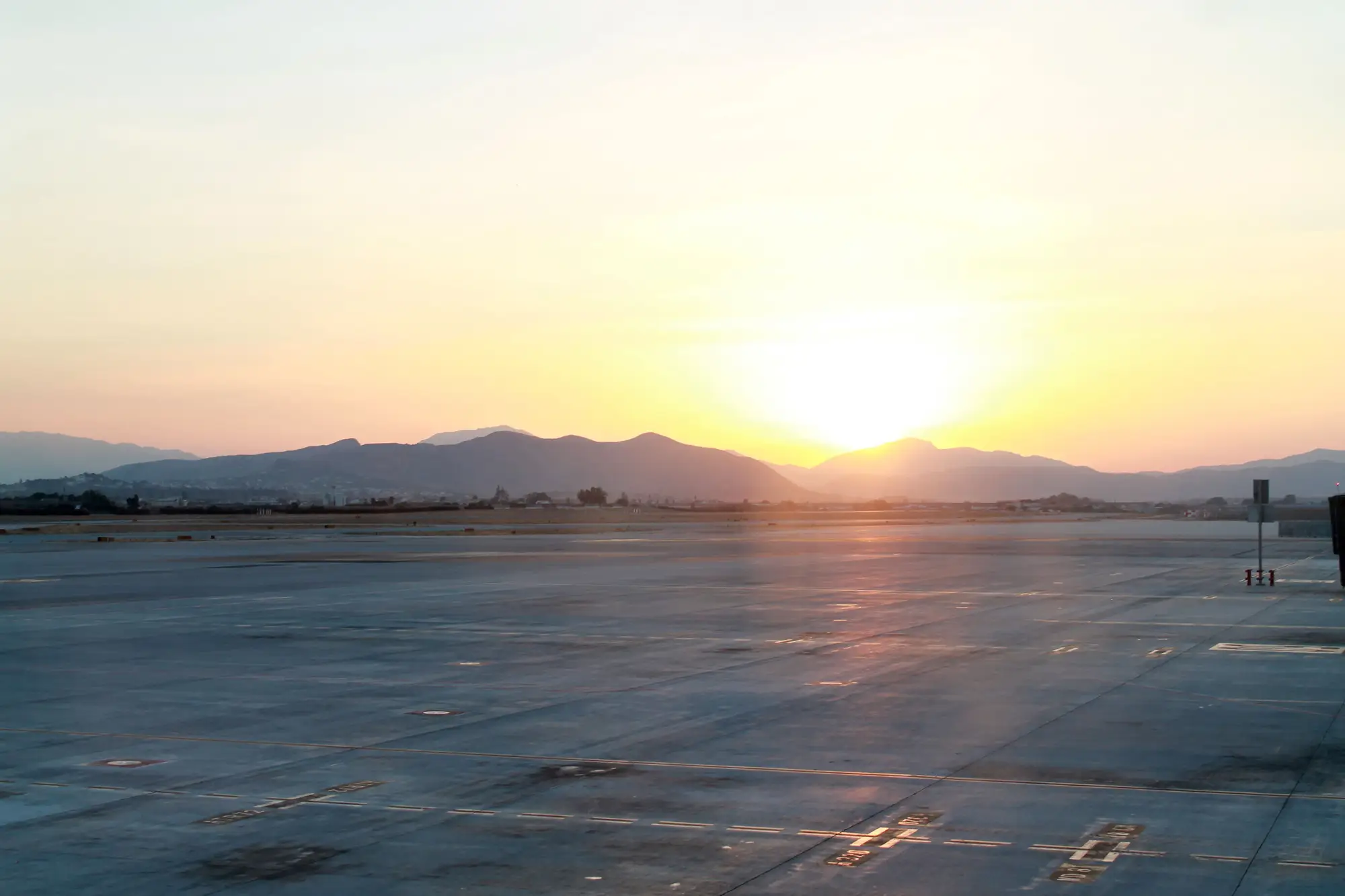
Every ops manager who has tried to book a pavement condition survey against a 2300-0600 noise curfew knows the real fight isn't the survey itself. It's the closure request that has to clear airfield ops, ATC, and sometimes the airline operations committee before anyone sets a cone on the runway.
Why curfew hours squeeze the survey calendar
A noise curfew survey window looks generous on paper. Seven hours of no scheduled movements should be plenty of time to walk a runway and log joint distress, raveling, and FOD risk. In practice you lose the first hour to last-light departures running late, and the last hour to the first arrivals pushing their slots. That leaves a four-to-five hour block, and a full-length runway walking survey with photo documentation rarely finishes inside it without a second night.
Taxiways and aprons compete for the same window. If the survey team is on the runway, ground crews can't stage for an early cargo departure. If maintenance wants to close a taxiway for crack sealing prep the same week, now two crews are negotiating one curfew between them. Most airfields end up running the pavement survey across two or three curfew nights a year just to cover the whole movement area, which turns a routine inspection into a scheduling project with its own approval chain.
Ports run into a version of the same problem on container yard pavement. There's no noise curfew, but there is a berth schedule, and a yard survey competes with reefer plug access and straddle carrier lanes the same way a runway survey competes with the red-eye bank.
What overnight pavement inspection scheduling actually costs
The curfew window itself isn't free. Crew callout for an overnight walking survey usually runs at a premium rate, and if the airfield requires an escort vehicle or a NOTAM for lighting changes, that's another coordination step that has to happen days ahead, not the night of. Weather adds risk on top: a wet runway inside a short curfew means the survey gets bumped, and the next available window might be weeks out depending on how the curfew calendar lines up with other scheduled work.
None of this shows up as a single line item. It shows up as a PCI report that's three months late, or a joint distress finding that doesn't get flagged until it's already spalling badly enough to generate an FOD report from flight crew.
Scheduling without fighting the curfew
The scheduling problem goes away once the survey doesn't need the pavement cleared. An overhead pass flown or captured without putting a crew inside the curfew window can run against live traffic, which means the annual read doesn't have to compete with the red-eye bank, a cargo rotation, or a berth schedule at all. Pavement Survey is built around that approach: an annual condition read taken over runways, taxiways, or terminal yards without the closure request, the escort vehicle, or the curfew negotiation that a walking survey requires.
If you're the one who has to find four clear hours between the last curfew departure and the first morning arrival just to get a crew on the pavement, that's the exact problem this is meant to take off your plate.